What is Tawheed in Islam Meaning and Importance
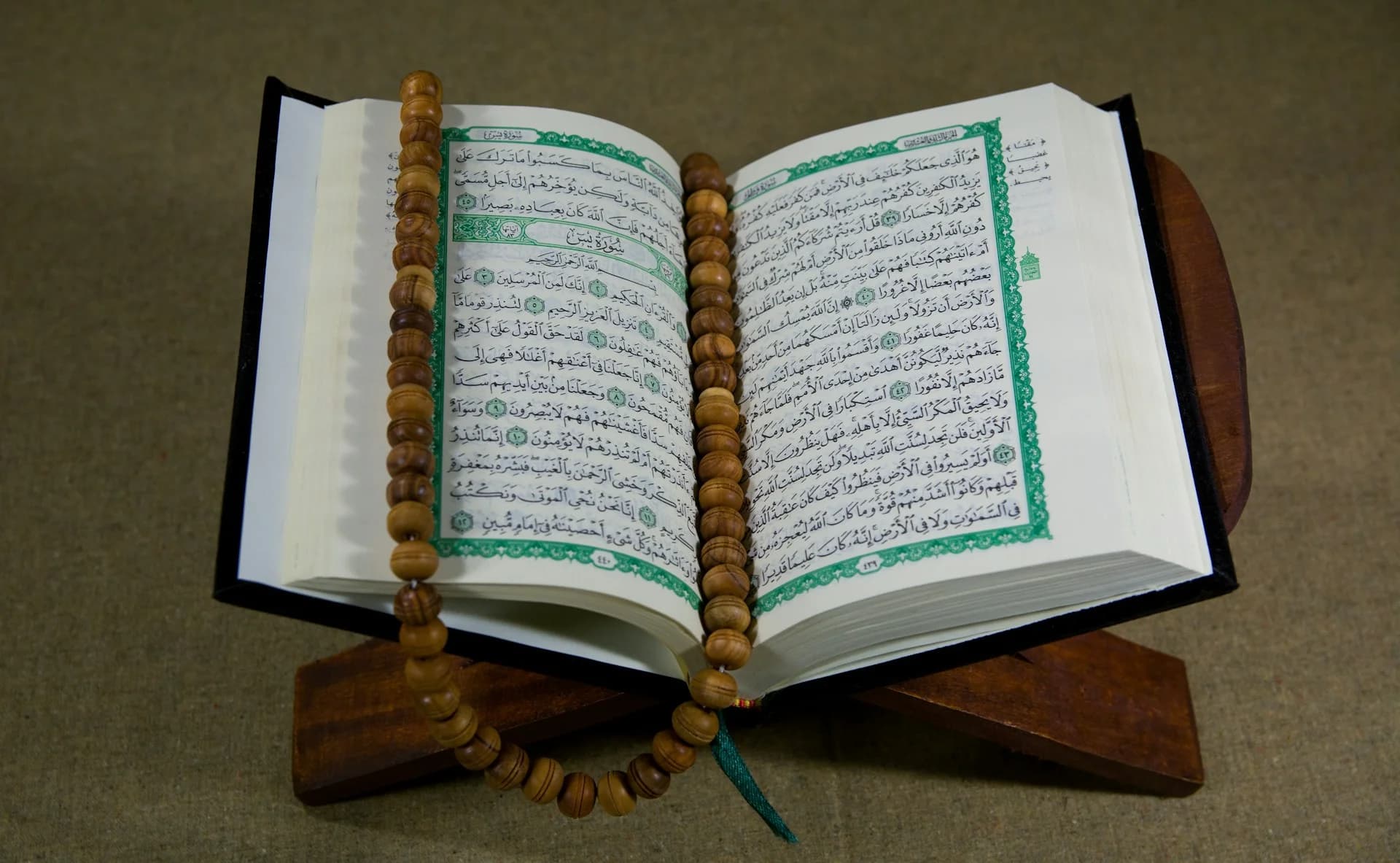
Tawheed is the single most fundamental concept in Islamic belief and forms the very foundation upon which the entire religion is built. It refers to the absolute oneness of Allah and the belief that He alone deserves worship, without any partner, equal or intermediary. Understanding what Tawheed is in Islam is essential for every Muslim because it shapes not only theology but also daily conduct, worship and the way a believer views the entire universe.
The Meaning of Tawheed
The word Tawheed comes from the Arabic root meaning to unify or to make one. In Islamic terminology it refers to the belief in the absolute oneness of Allah in His lordship, His names and attributes and in His right to be worshipped. This concept is stated clearly in Surah Al Ikhlas where Allah describes Himself as One, the Eternal Refuge, who neither begets nor is born, and there is none comparable to Him. This short chapter of the Quran is considered by scholars to summarize the entire concept of Tawheed in just four verses.
Why Tawheed is the Foundation of Islam
Every other belief and practice in Islam rests upon the foundation of Tawheed. The very first pillar of Islam, the declaration of faith, begins with the statement that there is no god worthy of worship except Allah. The Prophet Muhammad peace be upon him emphasized this in a well known Hadith recorded in Sahih Muslim where he said that whoever dies knowing that there is no god but Allah will enter Paradise, showing how central this single belief is to salvation itself.
The Three Categories of Tawheed
Islamic scholars have traditionally divided the concept of Tawheed into three main categories to help believers understand its full scope.
- Tawheed Ar Rububiyyah refers to belief in the oneness of Allah as the sole creator, sustainer and controller of the universe
- Tawheed Al Uluhiyyah refers to the oneness of Allah in worship, meaning that all acts of worship such as prayer, supplication and sacrifice must be directed to Allah alone
- Tawheed Al Asma was Sifat refers to the oneness of Allah in His names and attributes, affirming them as described in the Quran and Hadith without distortion or comparison to creation
These three categories together form a complete understanding of what it means to believe in the oneness of Allah in every dimension of faith and practice.
Tawheed in the Quran
The Quran repeatedly emphasizes the concept of Tawheed throughout its chapters. In Surah Al Baqarah Allah states that your God is one God, there is no deity except Him, the Entirely Merciful and the Especially Merciful. This direct declaration appears in various forms throughout the Quran, reinforcing that the core message of every prophet sent to mankind was the call to worship Allah alone and avoid associating partners with Him.
The Opposite of Tawheed
The opposite of Tawheed is Shirk, which refers to associating partners with Allah in His lordship, worship or attributes. The Quran describes Shirk as the gravest of sins in Surah An Nisa where Allah states that He does not forgive association with Him but forgives what is less than that for whom He wills. This verse highlights the extreme seriousness with which Islam treats any violation of Tawheed, placing it above all other sins in terms of severity.
How Tawheed Shapes a Muslim Life
Belief in Tawheed influences far more than theological understanding, it shapes the entire worldview and daily behavior of a Muslim.
- It creates a direct relationship between the individual and Allah without the need for intermediaries
- It removes fear and reliance on anything other than Allah for provision and protection
- It instills humility since all achievements and blessings are recognized as coming from Allah alone
- It provides a unified purpose to acts of worship, ensuring they are directed solely towards pleasing Allah
Conclusion
Tawheed stands as the central pillar of Islamic belief, shaping every aspect of a Muslim life from worship to daily conduct. Its clear establishment in the Quran and the teachings of Prophet Muhammad peace be upon him leaves no ambiguity about its importance and its role as the foundation of the entire faith. To explore more foundational Islamic concepts, read our guide on the meaning and importance of Sunnah and learn about the importance of Hadith in Islam. To deepen your Quranic understanding, explore our online Quran learning courses at Qanadeel.
Continue reading
Benefits of Reciting Quran Daily in Islam
Explore the spiritual and personal benefits of reciting the Quran daily with authentic references from the Quran and Hadith in this complete guide.
Read article
Importance of Fasting in Ramadan Benefits and Rulings
Discover the importance of fasting in Ramadan its spiritual benefits and rulings with authentic references from the Quran and Hadith in this guide.
Read article
Difference Between Hajj and Umrah Explained in Detail
Understand the key difference between Hajj and Umrah including rulings timing and rituals with clear references from the Quran and authentic Hadith.
Read article