What is Sunnah in Islam? Meaning, Types and Importance

Every Muslim hears the word Sunnah often, whether in the mosque, in a lecture, or in daily conversation. But what is Sunnah in Islam exactly, and why does it hold such a central place in the life of a believer? Understanding the Sunnah is not just an academic exercise. It is the practical path that connects a Muslim to the example of Prophet Muhammad ﷺ, shaping everything from prayer to manners to daily habits.
Sunnah Meaning in Islam
The word Sunnah literally means a path, a way, or a trodden road. In Islamic terminology, Sunnah refers to the sayings, actions, approvals, and personal characteristics of Prophet Muhammad ﷺ. It is the living example he left behind for the Muslim community to follow. While the Quran gives Muslims the core message and commandments of Allah, the Sunnah shows exactly how those commandments were practiced in real life.
For instance, the Quran commands Muslims to establish prayer, but it does not describe the exact number of units, the wording of each posture, or the timing in detail. The Sunnah fills in these details through the Prophet's own practice, which is why scholars often say the Quran explains what to do, and the Sunnah explains how to do it.
Sunnah vs Hadith: What Is the Difference?
Many people use the terms Sunnah and Hadith interchangeably, but there is a subtle difference between them. Hadith refers to the recorded reports of the Prophet's sayings, actions, and approvals, collected in books like Sahih Bukhari and Sahih Muslim. Sunnah, on the other hand, refers to the actual practice and way of life that these Hadith describe.
In simple terms, Hadith is the documentation, and Sunnah is the content being documented. A Hadith is the narration itself, while the Sunnah is the established practice that the narration proves. Both are closely connected and together form the second major source of Islamic guidance after the Quran.
Types of Sunnah
Scholars of Islamic jurisprudence classify Sunnah into several categories based on how the Prophet ﷺ expressed it.
Sunnah Qawliyyah (Verbal Sunnah)
This includes everything the Prophet ﷺ said, whether it was advice, a ruling, a supplication, or general guidance. Most of the Hadith collections are built around this category, since his statements form the bulk of recorded narrations.
Sunnah Fi'liyyah (Actionable Sunnah)
This covers the Prophet's own actions, such as the way he performed wudu, the manner of his prayer, how he fasted, and how he conducted business. These actions serve as a practical demonstration of Islamic teachings.
Sunnah Taqririyyah (Approved Sunnah)
Sometimes a companion would do something in the presence of the Prophet ﷺ, and he would either stay silent or express approval. This silent or verbal approval is also considered part of the Sunnah, since it reflects his acceptance of that action.
Sunnah related to physical description and character
This category includes descriptions of the Prophet's physical appearance, his manners, his patience, his honesty, and his overall character, all of which Muslims are encouraged to emulate.
Sunnah in Terms of Religious Ruling
From a jurisprudential angle, Sunnah is also divided based on how strongly it is recommended.
- Sunnah Mu'akkadah (Emphasized Sunnah): Practices the Prophet ﷺ performed regularly and rarely left, such as the two rakats before Fajr prayer.
- Sunnah Ghair Mu'akkadah (Non-emphasized Sunnah): Practices he performed occasionally, which are recommended but not as strongly stressed.
Why Following the Sunnah Matters
Following the Sunnah is not merely a matter of ritual. It is described in the Quran as a sign of true love for Allah. Surah Aal-e-Imran states that whoever loves Allah should follow the Prophet ﷺ, and in return Allah will love him and forgive his sins. This connects obedience to the Sunnah directly with sincerity of faith.
Practically, the Sunnah offers a complete framework for daily living. It teaches how to eat, sleep, greet others, handle disputes, run a household, and treat neighbors. Even small acts like starting with the right hand or saying Bismillah before eating are Sunnah practices that carry both spiritual reward and practical benefit.
For students learning Quran and Islamic studies online, understanding the Sunnah alongside the Quran gives a fuller picture of the faith. It is one reason why authentic Salah practice is taught exactly as the Prophet ﷺ performed it, down to the smallest movement.
Common Misconceptions About Sunnah
Some people assume that Sunnah is optional in the sense that it does not matter at all if left out. While certain categories of Sunnah are indeed not obligatory like Fard acts, ignoring the Sunnah altogether as a way of life is discouraged in Islamic teaching. The scholars have consistently held that a Muslim who habitually abandons the Sunnah without valid reason misses out on a major source of blessing and guidance.
Another misconception is treating Sunnah as outdated or cultural rather than religious. In reality, the Sunnah is timeless guidance rooted in revelation, since the Prophet ﷺ did not speak from personal desire but according to what was revealed to him.
How to Start Practicing the Sunnah
For beginners, the best approach is to start with small, consistent acts rather than attempting everything at once. Learning the Sunnah supplications for daily activities, praying the emphasized Sunnah prayers, and studying the Prophet's manners through authentic books are good starting points. Structured learning, such as a guided Hifz program combined with Hadith studies, helps students absorb both the Quran and the Sunnah in an organized way rather than in isolation.
Conclusion
Understanding what is Sunnah in Islam gives a Muslim access to the complete example of Prophet Muhammad ﷺ, not just isolated rulings from the Quran. From verbal teachings to daily actions, the Sunnah shapes worship, character, and everyday life. Learning it with proper guidance from qualified teachers ensures that practice remains authentic and rooted in true Islamic tradition.
Continue reading
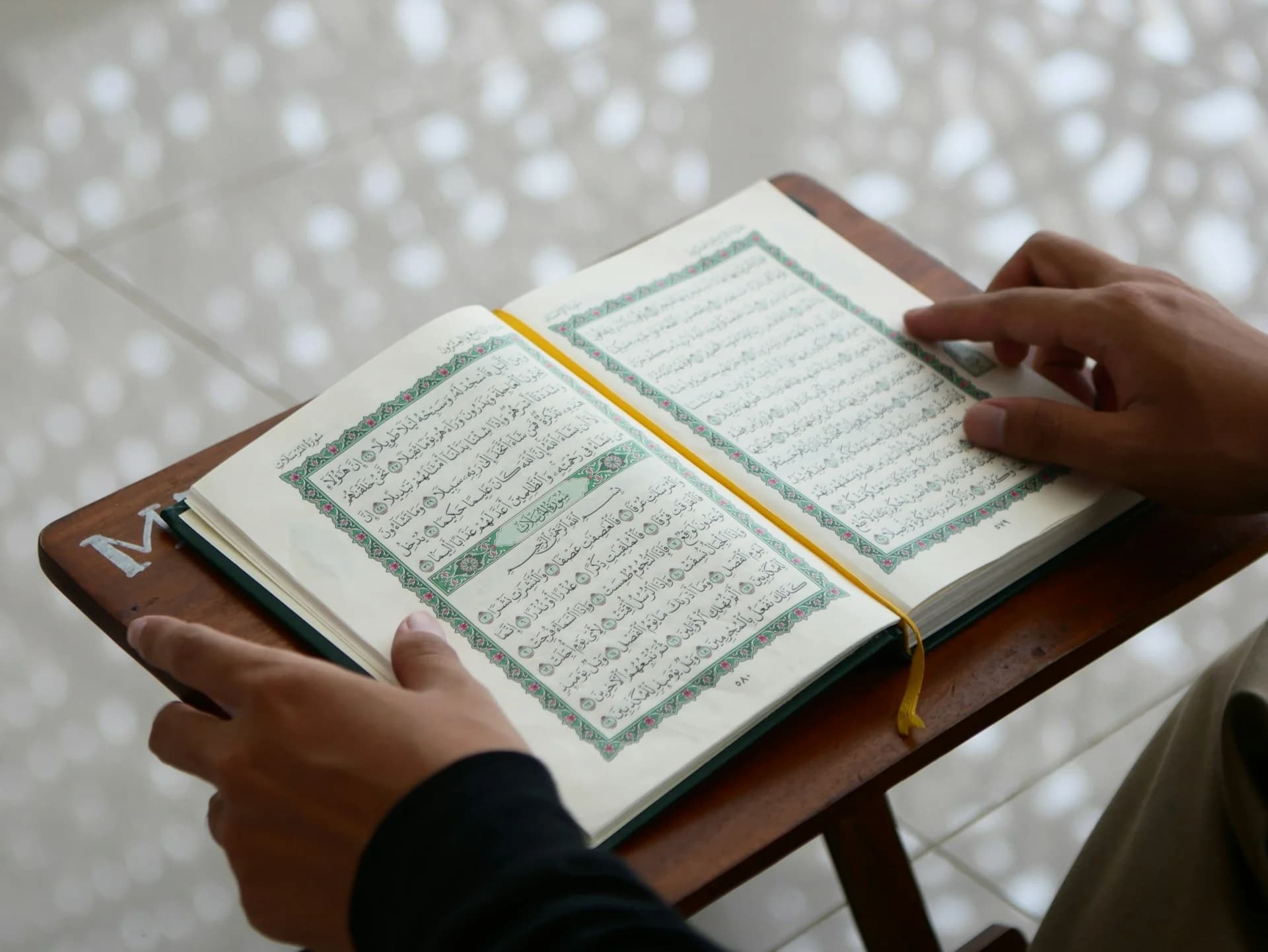
Benefits of Reciting Quran Daily in Islam
Explore the spiritual and personal benefits of reciting the Quran daily with authentic references from the Quran and Hadith in this complete guide.
Read article
What is Tawheed in Islam Meaning and Importance
Learn what Tawheed is in Islam its meaning types and importance in the life of a Muslim with references from the Quran and authentic Hadith.
Read article
Importance of Fasting in Ramadan Benefits and Rulings
Discover the importance of fasting in Ramadan its spiritual benefits and rulings with authentic references from the Quran and Hadith in this guide.
Read article