Importance of Fasting in Ramadan Benefits and Rulings

Fasting during the month of Ramadan is one of the five pillars of Islam and holds a position of deep spiritual and physical significance in the life of every Muslim. Known as Sawm in Arabic, this practice involves abstaining from food, drink and other physical needs from dawn until sunset for the entire month of Ramadan. Understanding the importance of fasting in Ramadan requires looking at its foundation in the Quran, its explanation through the Hadith of Prophet Muhammad peace be upon him and the numerous benefits it brings to the believer.
The Quranic Basis of Fasting
Fasting in Ramadan is directly commanded in the Quran, making it an obligatory act of worship rather than an optional practice. Allah says in Surah Al Baqarah that fasting has been prescribed for the believers just as it was prescribed for those before them so that they may attain piety. This verse establishes that fasting is not a new practice unique to this Ummah but a continuation of a spiritual discipline given to earlier communities as well, aimed at developing self control and closeness to Allah.
Ramadan as the Month of the Quran
Ramadan holds special significance because it is the month in which the Quran was first revealed to Prophet Muhammad peace be upon him. Allah describes this in Surah Al Baqarah stating that the month of Ramadan is the one in which the Quran was sent down as guidance for mankind with clear proofs of guidance and criterion between right and wrong. This connection between Ramadan and the revelation of the Quran is why the month carries such elevated status and why increased Quran recitation is strongly encouraged during this time.
Who is Required to Fast
Fasting in Ramadan becomes obligatory on every Muslim who meets certain conditions established through Islamic teaching.
- The person must be an adult who has reached puberty
- The person must be of sound mental capacity
- The person must be physically healthy and capable of fasting
- The person must not be traveling under circumstances that make fasting difficult
- Women must not be experiencing menstruation or postnatal bleeding during the fasting hours
Those who are exempted due to illness, travel or other valid reasons are required to make up the missed days later or provide compensation according to their specific situation as outlined in Islamic rulings.
Spiritual Benefits of Fasting
The primary purpose of fasting as mentioned in the Quran is the attainment of piety and God consciousness known as Taqwa. By abstaining from permissible things like food and drink for the sake of Allah, a believer trains their soul to also abstain from impermissible things throughout the year. The Prophet Muhammad peace be upon him emphasized this spiritual dimension in a Hadith recorded in Sahih Bukhari where he said that whoever does not give up false speech and acting upon it, Allah has no need of him giving up his food and drink. This Hadith clearly shows that the true objective of fasting extends far beyond physical abstinence into moral and spiritual discipline.
Rewards of Fasting Mentioned in Hadith
Fasting carries a unique reward system according to authentic Hadith narrations. In a Hadith Qudsi recorded by Imam Bukhari, Allah states that every deed of the son of Adam is for him except fasting, which is for Allah alone and He will reward it. This narration highlights the exceptional status of fasting compared to other acts of worship, as its reward is described as immeasurable and directly given by Allah without the usual multiplication scale applied to other good deeds.
Physical and Social Benefits
Alongside spiritual growth, fasting also brings noticeable benefits to physical health and social bonding among Muslims.
- Fasting allows the digestive system periods of rest which many scholars and health professionals associate with improved metabolic function
- The shared experience of fasting strengthens community bonds through iftar gatherings and collective worship
- Fasting cultivates empathy for those who face hunger and poverty regularly
- Increased charity and generosity are commonly observed during Ramadan as a direct result of this heightened awareness
The Night of Decree and Increased Worship
Ramadan also contains Laylatul Qadr, the Night of Decree, which the Quran describes in Surah Al Qadr as being better than a thousand months. This night falls within the last ten nights of Ramadan and is a time when Muslims increase their prayer, recitation and supplication in hope of attaining its immense reward. The Prophet peace be upon him would increase his worship significantly during these final ten nights, staying awake in prayer and encouraging his family to do the same.
Conclusion
The importance of fasting in Ramadan lies in its powerful combination of spiritual discipline, moral training and physical benefit, all rooted directly in the commands of the Quran and the practice of Prophet Muhammad peace be upon him. It is a month that offers every believer an opportunity to renew their relationship with Allah through patience, self restraint and increased worship. To deepen your understanding of related acts of worship, read our guide on the importance of Salah in Islam and explore Zakat calculation and eligibility. If you wish to strengthen your Quran recitation before Ramadan arrives, join our Quran learning courses at Qanadeel.
Continue reading
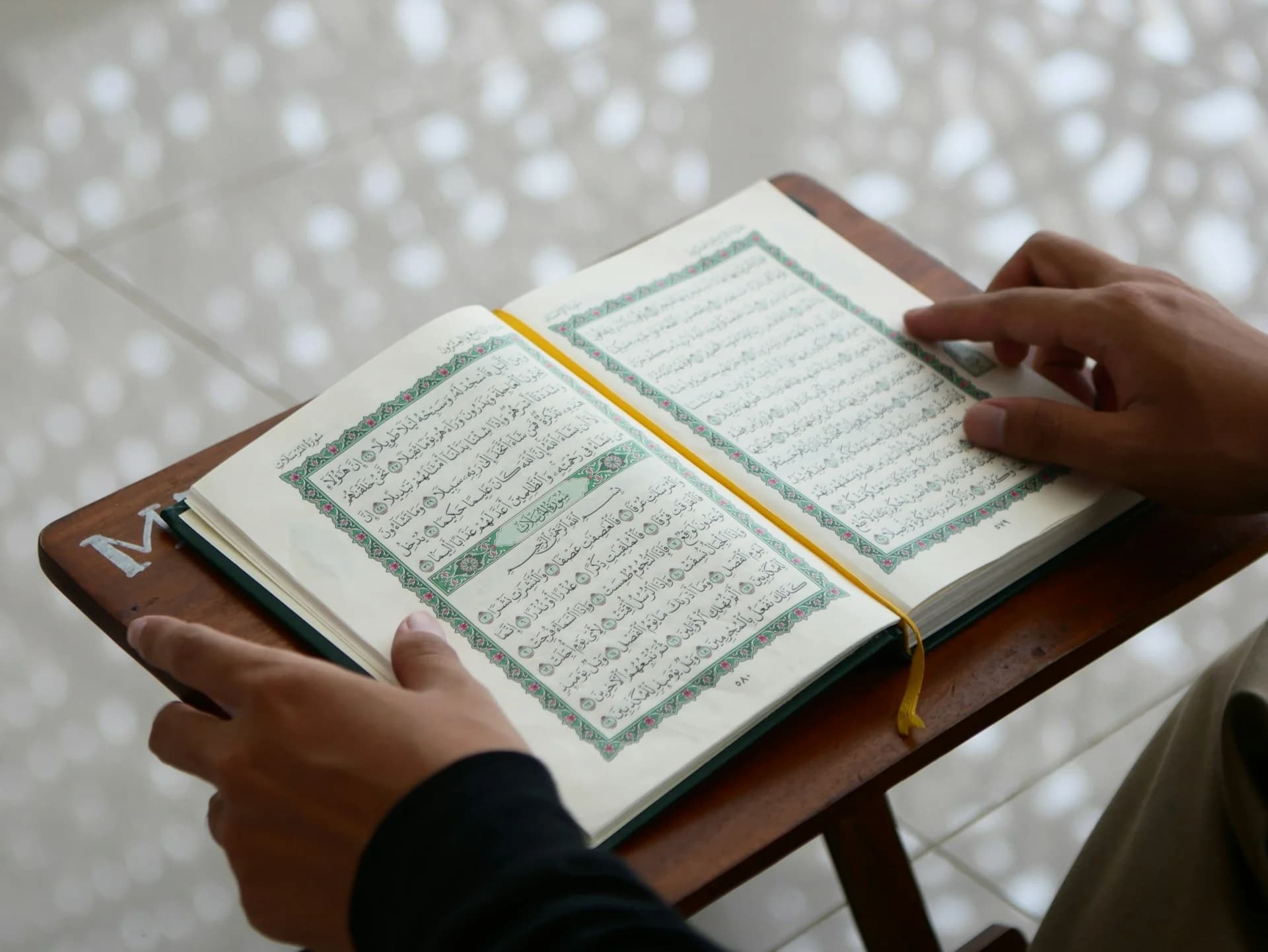
Benefits of Reciting Quran Daily in Islam
Explore the spiritual and personal benefits of reciting the Quran daily with authentic references from the Quran and Hadith in this complete guide.
Read article
What is Tawheed in Islam Meaning and Importance
Learn what Tawheed is in Islam its meaning types and importance in the life of a Muslim with references from the Quran and authentic Hadith.
Read article
Difference Between Hajj and Umrah Explained in Detail
Understand the key difference between Hajj and Umrah including rulings timing and rituals with clear references from the Quran and authentic Hadith.
Read article