Importance of Hadith in Islam: Why It Is the Second Source of Guidance
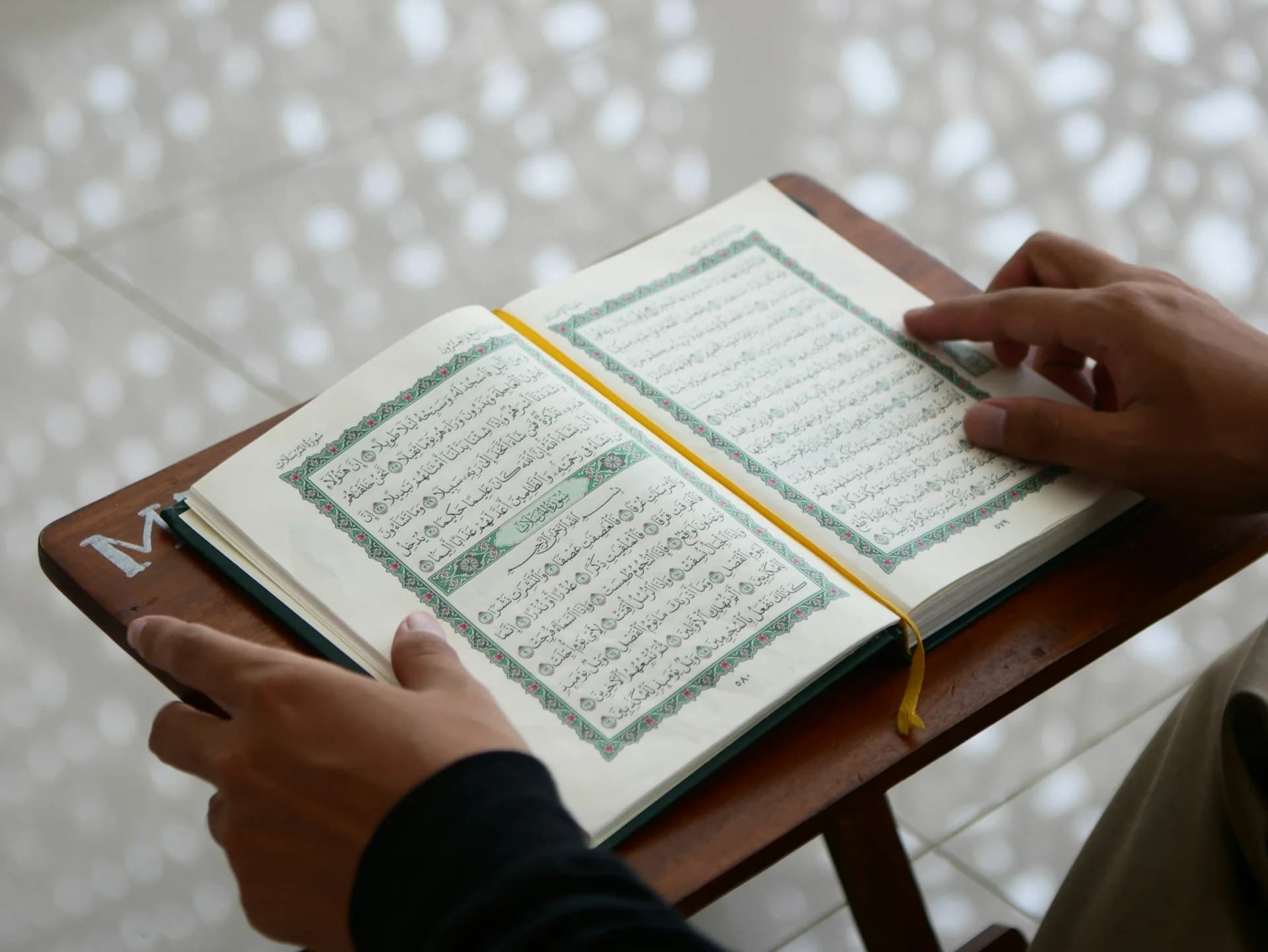
The Quran forms the foundation of Islamic belief, but it is the Hadith literature that brings that foundation to life through detail, context, and practical application. Understanding the importance of Hadith in Islam helps Muslims see why scholars have spent centuries preserving, verifying, and studying these sacred narrations with extraordinary precision.
What Is Hadith?
Hadith refers to the recorded sayings, actions, and approvals of Prophet Muhammad ﷺ, passed down through a documented chain of narrators. Each Hadith consists of two parts, the chain of narration known as Isnad, and the actual text known as Matn. Scholars examine both parts carefully to determine the authenticity and reliability of every reported narration.
Together, the body of Hadith literature forms the Sunnah, the practical example of the Prophet ﷺ, which serves as the second major source of Islamic law and guidance after the Quran itself.
Why Hadith Is Essential Alongside the Quran
The Quran provides the core principles of Islamic belief and law, but many of its instructions require further explanation to be applied correctly. The Quran commands prayer, fasting, charity, and pilgrimage, yet it does not provide every procedural detail for how to perform them. Hadith fills this gap by recording exactly how the Prophet ﷺ carried out these commands in daily life.
For example, understanding how many units make up each prayer, the specific wording of supplications, or the correct method of calculating Zakat all rely heavily on Hadith narrations rather than the Quran alone. Without Hadith, many aspects of daily worship would remain ambiguous.
Major Hadith Collections
Over the centuries, scholars traveled extensively to collect, verify, and compile Hadith into organized books. The most trusted collections are known as the Sihah Sittah, or the six authentic books.
Sahih Bukhari
Compiled by Imam Bukhari, this collection is widely considered the most authentic Hadith book after the Quran. Imam Bukhari applied extremely strict criteria, examining the character and memory of every narrator in the chain before accepting a Hadith.
Sahih Muslim
Compiled by Imam Muslim, this collection is regarded as second in authenticity to Sahih Bukhari. It is known for its clear organization and thorough chains of narration.
Sunan Abu Dawood, Jami at-Tirmidhi, Sunan an-Nasa'i, and Sunan Ibn Majah
These four collections, along with Bukhari and Muslim, complete the six major Hadith books relied upon by scholars across the Muslim world for extracting religious rulings and guidance.
Categories of Hadith Based on Authenticity
Not every reported narration carries equal weight. Scholars classify Hadith into distinct categories based on the strength of their chain of narration and the reliability of the narrators.
- Sahih (Authentic): Meets the highest standard of reliability with a continuous, trustworthy chain of narrators.
- Hasan (Good): Reliable but with a slightly weaker chain compared to Sahih.
- Da'if (Weak): Contains some weakness in the chain or narrators, requiring caution in application.
- Mawdu (Fabricated): Falsely attributed to the Prophet ﷺ and rejected entirely by scholars.
This classification system reflects the extraordinary care Islamic scholarship has taken to protect the integrity of the Prophet's teachings from distortion.
The Role of Hadith in Daily Muslim Life
Hadith literature shapes far more than legal rulings. It offers guidance on character, manners, family relationships, business ethics, and even simple daily habits like greeting others or caring for neighbors. Many of the supplications Muslims recite for various occasions come directly from authentic Hadith rather than the Quran.
Studying Hadith alongside daily Dua practices gives Muslims a complete framework for spiritual life, connecting belief with consistent action rooted in the Prophet's own example.
Hadith and Islamic Jurisprudence
Islamic scholars, or Fuqaha, rely on Hadith extensively when deriving rulings for situations not explicitly addressed in the Quran. This is particularly evident in areas like inheritance law, where Hadith narrations clarify specific shares and conditions that complement the Quranic verses on the subject. Without Hadith as a source, many areas of Islamic law would lack the detail needed for practical application.
Common Misunderstandings About Hadith
A frequent misunderstanding is treating all Hadith as equally reliable regardless of source. In reality, Islamic scholarship has always emphasized verifying the chain and content of a narration before accepting it as a basis for belief or practice. Another misconception is separating Hadith from the Quran as if they conflict, when in fact authentic Hadith always aligns with and explains Quranic teaching rather than contradicting it.
Learning Hadith the Right Way
For students of Islamic knowledge, learning Hadith requires proper guidance rather than casual reading from unreliable online sources. A structured approach, ideally through a qualified Hadith course with a knowledgeable teacher, ensures that students learn not just the text but also its correct interpretation and application in daily life.
Conclusion
The importance of Hadith in Islam cannot be overstated. It transforms the general guidance of the Quran into a practical, detailed way of life, covering worship, ethics, law, and character. Studying authentic Hadith collections under proper scholarly guidance allows Muslims to follow the Prophet's example with confidence and precision.
Continue reading
Benefits of Reciting Quran Daily in Islam
Explore the spiritual and personal benefits of reciting the Quran daily with authentic references from the Quran and Hadith in this complete guide.
Read article
What is Tawheed in Islam Meaning and Importance
Learn what Tawheed is in Islam its meaning types and importance in the life of a Muslim with references from the Quran and authentic Hadith.
Read article
Importance of Fasting in Ramadan Benefits and Rulings
Discover the importance of fasting in Ramadan its spiritual benefits and rulings with authentic references from the Quran and Hadith in this guide.
Read article