Difference Between Hajj and Umrah Explained in Detail
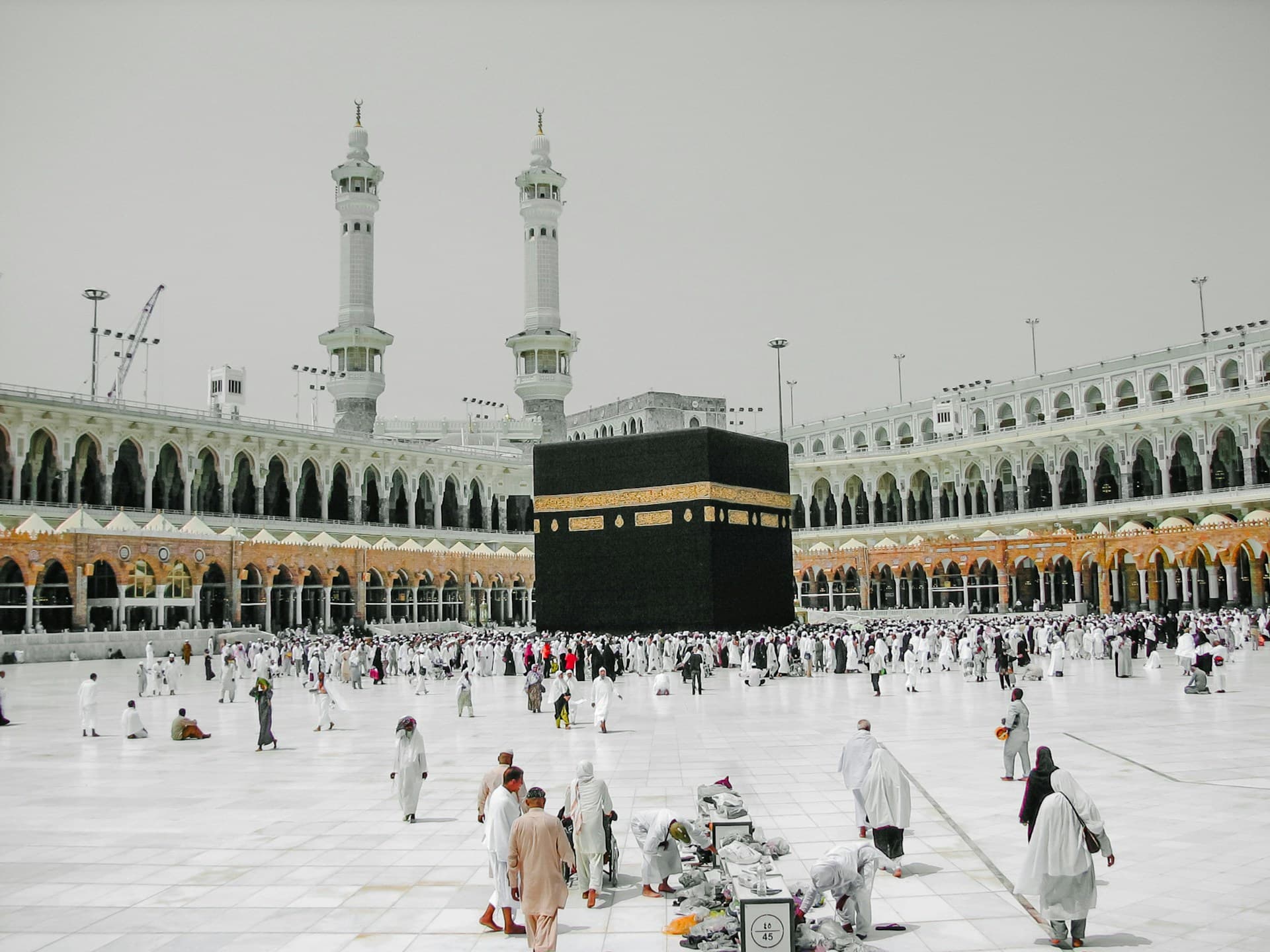
Hajj and Umrah are both sacred journeys performed by Muslims to the holy city of Makkah, yet many people are unclear about how they differ in ruling, timing and significance. While both acts of worship share some common rituals such as wearing Ihram and circling the Kaaba, they are fundamentally different in obligation and scope. This detailed guide explains the difference between Hajj and Umrah using references from the Quran and authentic Hadith so that every Muslim can understand these two forms of pilgrimage clearly.
Basic Definition of Hajj and Umrah
Hajj is the fifth pillar of Islam and a mandatory act of worship for every adult Muslim who possesses the physical ability and financial means to perform it at least once in their lifetime. Umrah on the other hand is often referred to as the minor pilgrimage. It shares some rituals with Hajj but is not obligatory in the same manner and can be performed at any time throughout the year.
Difference in Religious Ruling
The most significant difference between the two lies in their religious obligation. Hajj is compulsory as clearly stated in Surah Aal Imran where Allah declares that Hajj to the House is a duty owed to Allah by those who can find a way there. Umrah does not carry the same obligatory status according to the majority of scholars, although some scholars consider it strongly recommended or even obligatory once in a lifetime based on differing interpretations of certain verses and Hadith. The Prophet Muhammad peace be upon him was asked about Umrah in a Hadith recorded by Imam Tirmidhi and he described Umrah as an expiation for the sins committed between it and the previous Umrah, highlighting its virtue without equating it to the fixed obligation of Hajj.
Difference in Timing
Hajj can only be performed during specific days of the Islamic calendar, primarily between the eighth and thirteenth of Dhul Hijjah. This fixed timing is one of the defining features of Hajj as mentioned in the Quran where Allah refers to the months of Hajj as well known months. Umrah in contrast has no fixed time and can be performed in any month of the Islamic calendar except during the days a pilgrim is actively engaged in Hajj rituals. This flexibility makes Umrah more accessible for Muslims who wish to visit the sacred sites multiple times throughout the year.
Difference in Rituals
Although Umrah rituals are included within Hajj, the complete set of Hajj rituals is far more extensive.
- Umrah consists of Ihram, Tawaf around the Kaaba, Sai between Safa and Marwah and finally shaving or trimming the hair
- Hajj includes all the rituals of Umrah plus standing at Arafat, staying overnight at Muzdalifah, stoning the pillars at Mina, animal sacrifice and additional days of ritual at Mina
- The standing at Arafat known as Wuquf is considered the most essential pillar of Hajj and is unique to it, as the Prophet peace be upon him stated in a well known Hadith that Hajj is Arafat
- Umrah can typically be completed within a few hours while Hajj extends over several days
Difference in Reward and Virtue
Both acts of worship carry immense spiritual reward, though Hajj holds a uniquely elevated status due to its scale and obligation. The Prophet peace be upon him said in a Hadith narrated by Abu Hurairah and recorded in Sahih Bukhari that an accepted Hajj has no reward except Paradise. Regarding Umrah, the Prophet peace be upon him mentioned in another authentic Hadith that performing one Umrah after another removes the sins that occur between them. Both narrations show that while their scale differs, both acts hold deep spiritual value in the sight of Allah.
Can Umrah Replace Hajj
A common misconception is that performing Umrah fulfills the obligation of Hajj. This is incorrect according to Islamic teaching. Since Hajj is a distinct and separate obligation established directly in the Quran, performing Umrah does not remove the responsibility of Hajj from a Muslim who meets the required conditions of ability. A person must still perform Hajj separately even if they have completed Umrah multiple times.
Summary of Key Differences
To summarize clearly, Hajj is obligatory while Umrah is recommended, Hajj has a fixed time in Dhul Hijjah while Umrah can be performed anytime, Hajj includes extensive rituals over several days while Umrah is shorter and simpler, and Hajj requires standing at Arafat which has no equivalent in Umrah. Recognizing these differences helps Muslims plan their worship correctly and understand which obligation takes priority in their religious life.
Conclusion
Both Hajj and Umrah hold a special place in Islam, connecting believers to the sacred house of Allah and the legacy of Prophet Ibrahim. While Umrah offers a flexible and shorter path to spiritual renewal, Hajj remains the fixed and obligatory pillar that every capable Muslim must fulfill. To learn more about this sacred pillar in depth read our complete guide on what Hajj is in Islam and explore the types of Hajj including Ifrad, Tamattu and Qiran. If you want to strengthen your connection with the Quran before your journey, join our Quran learning programs at Qanadeel.
Continue reading
Benefits of Reciting Quran Daily in Islam
Explore the spiritual and personal benefits of reciting the Quran daily with authentic references from the Quran and Hadith in this complete guide.
Read article
What is Tawheed in Islam Meaning and Importance
Learn what Tawheed is in Islam its meaning types and importance in the life of a Muslim with references from the Quran and authentic Hadith.
Read article
Importance of Fasting in Ramadan Benefits and Rulings
Discover the importance of fasting in Ramadan its spiritual benefits and rulings with authentic references from the Quran and Hadith in this guide.
Read article