Importance of Salah in Islam: Benefits of the Five Daily Prayers
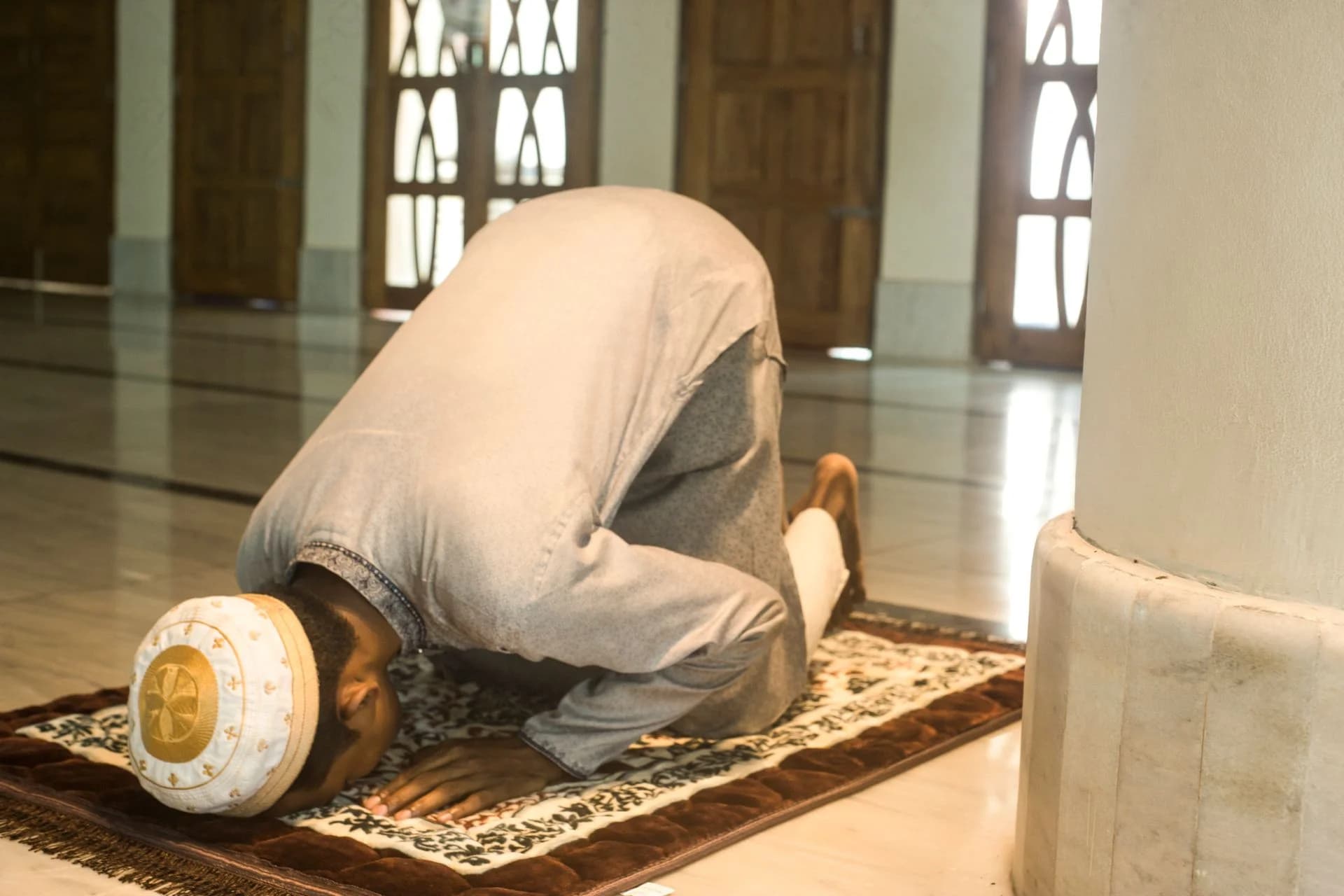
Salah is the second pillar of Islam and one of the most powerful acts of worship given to the believers. It is not simply a ritual performed five times a day, but a direct connection between a servant and his Creator. Through Salah, a Muslim finds peace, discipline, and a constant reminder of his purpose in this world.
What is Salah?
Salah refers to the five obligatory prayers that every adult Muslim must perform daily: Fajr, Zuhr, Asr, Maghrib, and Isha. Each prayer has a fixed time, and Muslims are encouraged to perform it as soon as the time begins. The Prophet Muhammad, peace be upon him, said that Salah is the first thing a person will be asked about on the Day of Judgment. Understanding the correct pronunciation of the Quran recited within Salah is equally important, which is why many students enroll in a proper Tajweed course to perfect their recitation before standing in prayer.
The Spiritual Benefits of Salah
Connection with Allah
Salah allows a believer to speak directly with Allah without any intermediary. In every unit of prayer, the worshipper recites verses of the Quran, glorifies Allah, and asks for guidance. This constant communication strengthens faith and keeps the heart soft.
Purification of the Soul
Just as bathing five times a day would remove physical dirt, Salah removes spiritual impurities such as arrogance, anger, and negative thoughts. It resets the heart and mind, allowing a person to face daily challenges with patience.
Discipline and Time Management
Since prayers are tied to specific times, Salah naturally instills discipline. A person who prays regularly learns to organize his day around his obligations to Allah first, which often improves punctuality and focus in other areas of life as well.
The Physical and Mental Benefits
Modern research has shown that the physical movements of Salah, such as standing, bowing, and prostrating, can improve blood circulation and joint flexibility. On a mental level, the repetitive and calming nature of prayer reduces stress and anxiety, giving a sense of stability throughout the day. Just as prayer calms the mind, many believers also turn to short remembrance and supplication afterward, something explained further in our article on the spiritual benefits of reciting Dua daily.
Salah as a Shield Against Sin
The Quran mentions that Salah prevents a person from indecency and wrongdoing. When a believer stands before Allah multiple times a day, he becomes conscious of his actions and tries to avoid sins that would displease his Lord. This awareness acts like a shield protecting the soul.
Salah and Community Bonding
Praying in congregation, especially in the mosque, strengthens the bond between Muslims. Standing shoulder to shoulder regardless of wealth, status, or background teaches equality and unity. Friday prayers in particular bring the community together on a weekly basis, reinforcing brotherhood.
How to Make Salah More Meaningful
Understand the Meaning
Learning the meaning of the verses and supplications recited in Salah transforms it from a routine act into a heartfelt conversation with Allah. Many students find that structured learning through a guided Nazra or Tafseer program, such as those offered on our courses page, deepens this understanding significantly.
Pray on Time
Delaying prayers without valid reason reduces their reward. Praying at the beginning of the prescribed time shows sincerity and love for the command of Allah.
Focus and Concentration
Removing distractions, choosing a quiet place, and slowing down the movements can greatly increase the concentration known as khushu, which is the soul of Salah. Reciting the Ninety Nine Names of Allah before or after prayer, available on our Ninety Nine Names of Allah page, is also a beautiful way to increase mindfulness of who you are truly standing before.
Teaching Children the Value of Salah
Parents play a key role in raising children who value prayer. Introducing children to Salah at an early age, explaining its importance in simple words, and praying together as a family builds a lifelong habit that benefits generations. Enrolling children in a structured Qaida or Nazra program early on also helps them read and understand what they recite in Salah from a young age.
Salah and Its Connection to Other Acts of Worship
Salah does not exist in isolation. It works together with other pillars of Islam, such as Zakat and fasting, to build a complete framework of worship and discipline. For instance, understanding one's financial obligations through resources like our Zakat Calculator complements the spiritual discipline gained through daily prayer, since both acts of worship aim to purify the heart from attachment to worldly matters.
Conclusion
Salah is far more than a physical act; it is the foundation of a believer's relationship with Allah. It brings discipline, peace, protection from sin, and a sense of community. Every Muslim should strive to establish Salah with sincerity, understanding, and consistency, as it truly is the key to a balanced and spiritually fulfilling life. To strengthen your recitation and understanding further, explore our Quran learning courses designed for every age and level.
Continue reading
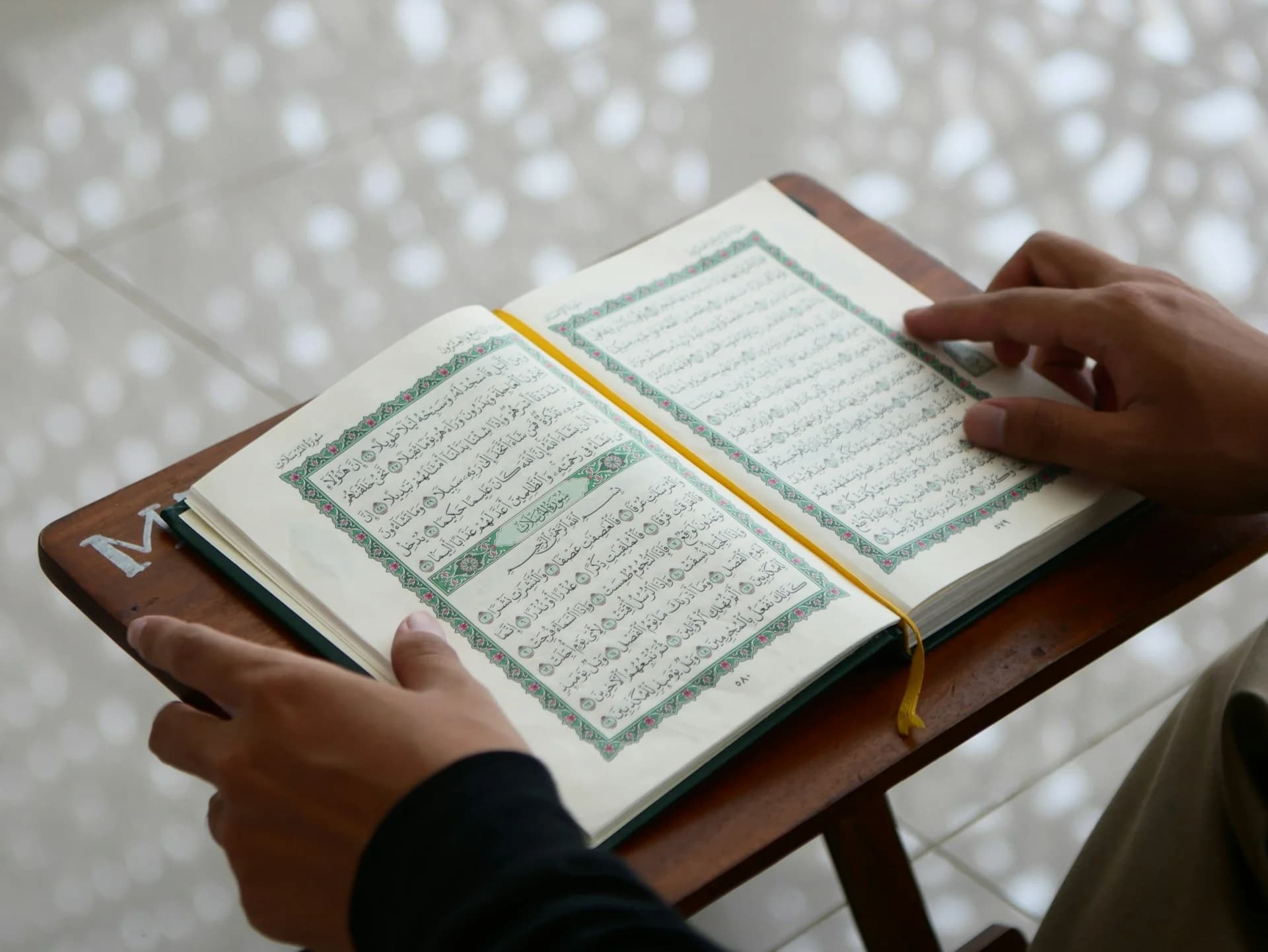
Benefits of Reciting Quran Daily in Islam
Explore the spiritual and personal benefits of reciting the Quran daily with authentic references from the Quran and Hadith in this complete guide.
Read article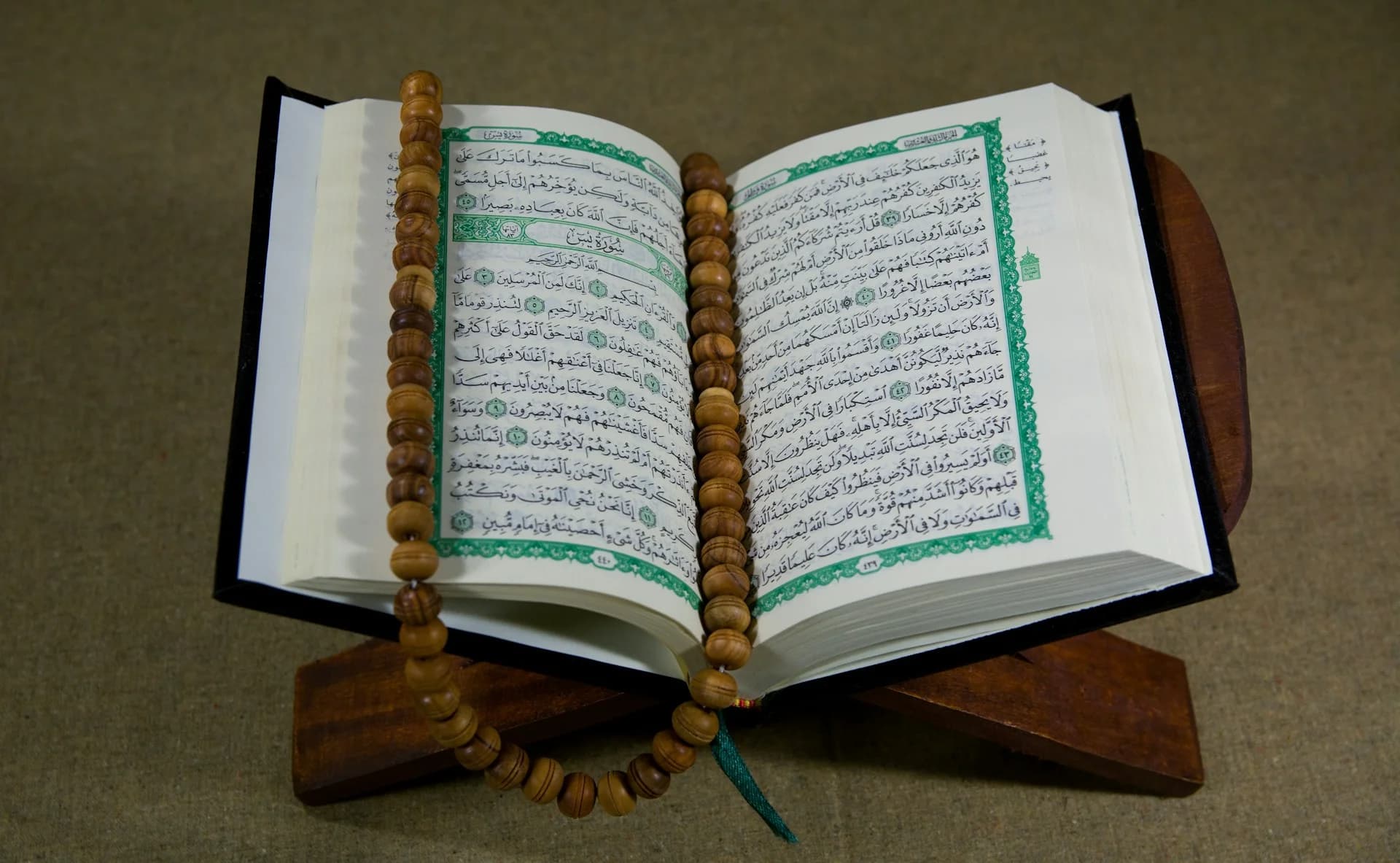
What is Tawheed in Islam Meaning and Importance
Learn what Tawheed is in Islam its meaning types and importance in the life of a Muslim with references from the Quran and authentic Hadith.
Read article
Importance of Fasting in Ramadan Benefits and Rulings
Discover the importance of fasting in Ramadan its spiritual benefits and rulings with authentic references from the Quran and Hadith in this guide.
Read article