How to Memorize the Quran (Hifz): A Practical Guide for Beginners and Parents
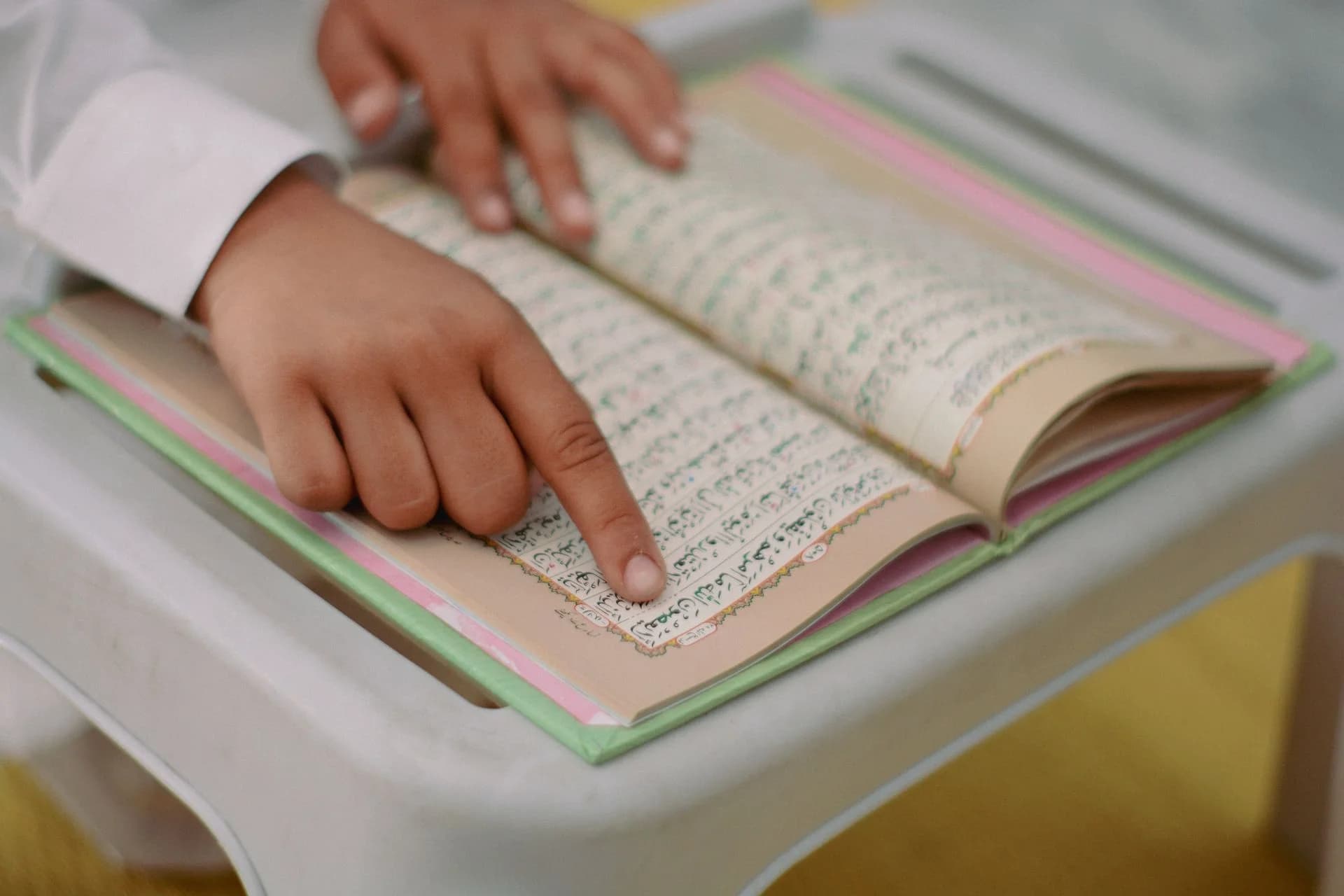
Memorizing the entire Quran, known as Hifz, is one of the most rewarding achievements a Muslim can pursue. Yet for most beginners and parents considering it for their children, the idea can feel intimidating over six thousand verses seem impossible to hold in memory. In reality, Hifz is less about raw memory power and more about consistency, the right method, and proper guidance from day one.
This guide breaks down a realistic approach to Quran memorization, whether you are starting as an adult or guiding your child through the journey.
What Does Hifz Actually Involve?
Hifz is the process of memorizing the Quran to the point where it can be recited fluently from memory, in the correct order, with correct Tajweed. It is typically broken into two ongoing tasks that run in parallel throughout the entire journey: Hifz Jadeed (memorizing new verses) and Hifz Qadeem, or Sabqi (reviewing everything memorized previously). Most students underestimate how much time revision requires compared to memorizing new material in reality, established Hafiz-ul-Quran students often spend more time reviewing than learning new verses.
Step 1: Build a Strong Nazra and Tajweed Foundation First
Before starting Hifz, a student should be able to read the Quran fluently and correctly, ideally with solid Tajweed already in place. Memorizing verses with incorrect pronunciation only means the mistakes get memorized too, which are far harder to correct later. If you or your child are still building reading fluency, it is worth completing a structured Qaida and Nazra course first, so the Hifz journey starts on solid ground.
Step 2: Set a Realistic Daily Portion
One of the most common mistakes beginners make is setting an unrealistic daily target, memorizing quickly for a week, then burning out and giving up entirely. A sustainable pace, such as a small, fixed number of lines each day, memorized slowly and reviewed properly, will always outperform an aggressive pace that cannot be maintained. Consistency over months and years is what completes the Quran not speed in the first few weeks.
Step 3: Use the Listen-Repeat-Recall Method
Effective memorization generally follows three stages. First, listen to the portion recited correctly by a teacher or a certified Qari multiple times until the rhythm and Tajweed are familiar. Second, repeat the portion aloud in small chunks, correcting Tajweed mistakes as they happen. Third, attempt to recall it without looking at the mushaf, going back to the text only when stuck. This cycle, repeated daily, builds memory far more effectively than simply reading a page over and over silently.
Step 4: Never Skip Revision
New Hifz students often move on to fresh verses while pushing revision to "later," which almost always leads to forgetting earlier portions. A better structure dedicates a fixed portion of every session to revising previously memorized sections, even if it means memorizing slightly less new material each day. Many experienced teachers recommend the ratio of reviewing at least as much as you memorize, especially in the first year.
Step 5: Recite in Salah
Reciting memorized portions during daily prayers is one of the most effective natural revision tools available. It reinforces memory through repetition in a meaningful context and reveals weak spots immediately when a verse does not come to mind smoothly during prayer.
Guidance for Parents Starting Their Child's Hifz Journey
Children often memorize faster than adults, but they also need more structure, encouragement, and patience from the adults around them. Keep sessions short and consistent rather than long and irregular, celebrate small milestones like completing a Juz, and avoid comparing a child's pace to other students, since every child progresses differently. A qualified teacher who understands how to work with young learners makes a significant difference here, which is why many parents prefer structured online Hifz classes over teaching independently at home.
Common Mistakes to Avoid
Beginners often memorize too much too fast without solidifying earlier portions, skip Tajweed correction because it slows progress, study without any teacher supervision, or set unrealistic timelines that lead to discouragement. Avoiding these mistakes matters more for long-term success than any specific memorization technique.
Final Thoughts
Hifz is a marathon, not a sprint. With a strong reading foundation, a realistic daily pace, consistent revision, and guidance from a qualified teacher, memorizing the Quran becomes an achievable, structured journey rather than an overwhelming goal. Explore our free Islamic tools to support your daily routine, and start with a class built around your own pace rather than a generic timeline.
Continue reading

Tajweed Rules for Beginners: A Complete Guide to Reciting the Quran Correctly
Learn the essential Tajweed rules for beginners — Makharij, Noon Sakinah, Qalqalah, and Madd — explained simply to help you recite the Quran correctly.
Read article
Islamic Inheritance (Meeras) in Islam: A Complete Guide for Muslims
Learn how Islamic inheritance (Meeras/Wirasat) is distributed among heirs under Quran and Sunnah rulings, with fixed shares explained simply.
Read article