What is Hajj in Islam Complete Guide to the Fifth Pillar
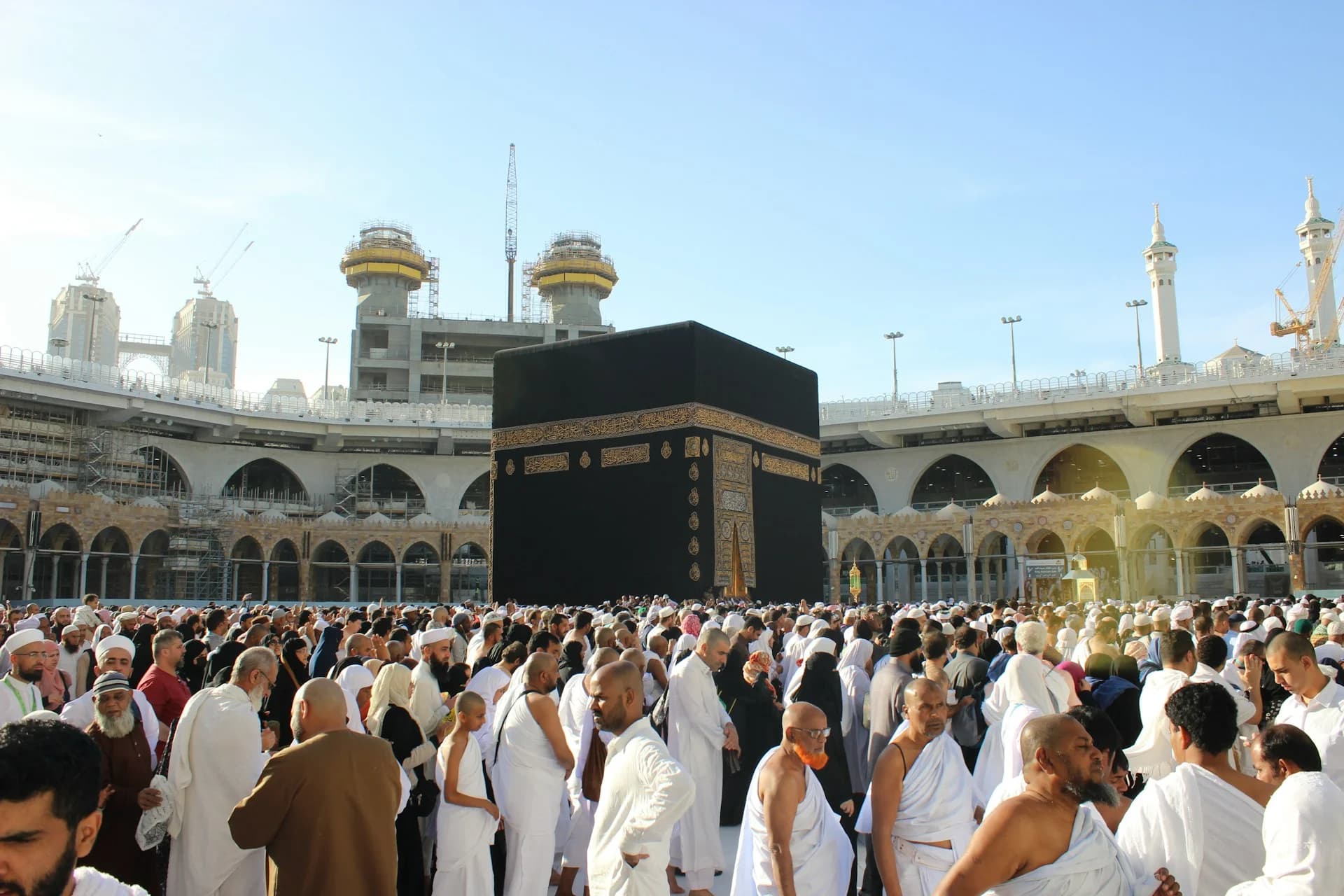
Hajj is one of the most significant acts of worship in Islam and holds a position of central importance in the life of every Muslim who is financially and physically able to perform it. It is the fifth pillar of Islam and represents the culmination of a believer's submission to Allah through a journey that combines physical effort, spiritual reflection and financial sacrifice. Understanding what Hajj is in Islam requires looking closely at its origin, its purpose and the deep meaning it carries in the Quran and the teachings of Prophet Muhammad peace be upon him.
Meaning and Definition of Hajj
The word Hajj in Arabic means to set out towards a place for the sake of visiting. In the context of Islamic teachings it refers to the pilgrimage to the sacred city of Makkah that every adult Muslim must perform at least once in their lifetime if they have the physical ability and financial means to do so. Allah says in the Quran that Hajj to the House is a duty owed to Allah by mankind for those who can find a way there and whoever disbelieves then Allah is free from need of the worlds. This verse from Surah Aal Imran establishes Hajj as an obligation and not merely a recommended practice.
The Origin of Hajj
The roots of Hajj trace back to Prophet Ibrahim peace be upon him and his family. Allah commanded Ibrahim to leave his wife Hajar and infant son Ismail in the barren valley of Makkah as an act of trust and obedience. The rituals of Hajj commemorate the trials this family faced including the search for water which became the well of Zamzam and the eventual construction of the Kaaba by Ibrahim and Ismail together. The Quran mentions this in Surah Al Baqarah where Allah describes how Ibrahim and Ismail raised the foundations of the House while praying for their efforts to be accepted.
Why Hajj is Obligatory
Hajj is not a voluntary act for those who meet the conditions of ability. It is one of the five pillars alongside the declaration of faith, prayer, fasting and charity. A well known Hadith recorded by Imam Bukhari and Imam Muslim states that Islam is built upon five pillars including the testimony that there is no god but Allah and Muhammad is His messenger, establishing prayer, giving charity, performing Hajj and fasting in Ramadan. This Hadith places Hajj on the same level of importance as prayer and fasting which shows how central it is to a complete life of worship.
Who is Required to Perform Hajj
Not every Muslim is obligated to perform Hajj immediately. Islamic scholars agree based on Quranic guidance that certain conditions must be fulfilled before Hajj becomes compulsory on an individual.
- The person must be a Muslim who has reached the age of maturity
- The person must be of sound mental capacity
- The person must have the financial means to cover travel and family expenses during the journey
- The person must be physically capable of enduring the journey and rituals
- For women a mahram or safe travel arrangement is generally required according to most schools of thought
If a person lacks any of these conditions the obligation of Hajj is lifted from them until circumstances change.
The Spiritual Purpose of Hajj
Beyond the physical rituals Hajj carries a deep spiritual message of unity, humility and submission. Millions of Muslims from every corner of the earth gather in the same white garments regardless of nationality, wealth or social status. This visual and spiritual equality reflects the Quranic teaching that the most honored among people in the sight of Allah is the one with the most righteousness rather than lineage or wealth. Hajj strips away worldly distinctions and reminds every pilgrim that they will stand before Allah on the Day of Judgment in a similar state of humility.
Rewards of Hajj Mentioned in Hadith
The Prophet Muhammad peace be upon him gave glad tidings to those who perform Hajj sincerely. In a Hadith narrated by Abu Hurairah and recorded in Sahih Bukhari the Prophet said that whoever performs Hajj for the sake of Allah and does not commit any obscenity or sin during it will return as pure and free of sin as the day his mother gave birth to him. This Hadith highlights that Hajj is not only a physical journey but also a means of complete spiritual renewal and forgiveness when performed with sincerity.
Hajj and the Quran
The Quran dedicates significant attention to the rites and virtues of Hajj particularly in Surah Al Hajj and Surah Al Baqarah. Allah instructs believers to complete the Hajj and Umrah for His sake and describes the months of Hajj as well known months during which specific etiquettes must be observed including avoiding indecent speech, wrongdoing and disputes. This Quranic guidance shapes the moral conduct expected of every pilgrim throughout the journey.
Conclusion
Hajj stands as one of the most profound expressions of faith in Islam, rooted deeply in the legacy of Prophet Ibrahim and firmly established through the words of the Quran and the teachings of Prophet Muhammad peace be upon him. It is a journey that unites the physical, spiritual and social dimensions of worship into a single powerful experience. For every Muslim who meets the conditions, performing Hajj is both an obligation and an opportunity for immense spiritual renewal. To understand more about the individual rituals involved you can read our detailed guide on the types of Hajj and how they differ from Umrah. If you wish to strengthen your understanding of the Quran before undertaking this sacred journey, explore our Quran learning courses at Qanadeel.
Continue reading
Benefits of Reciting Quran Daily in Islam
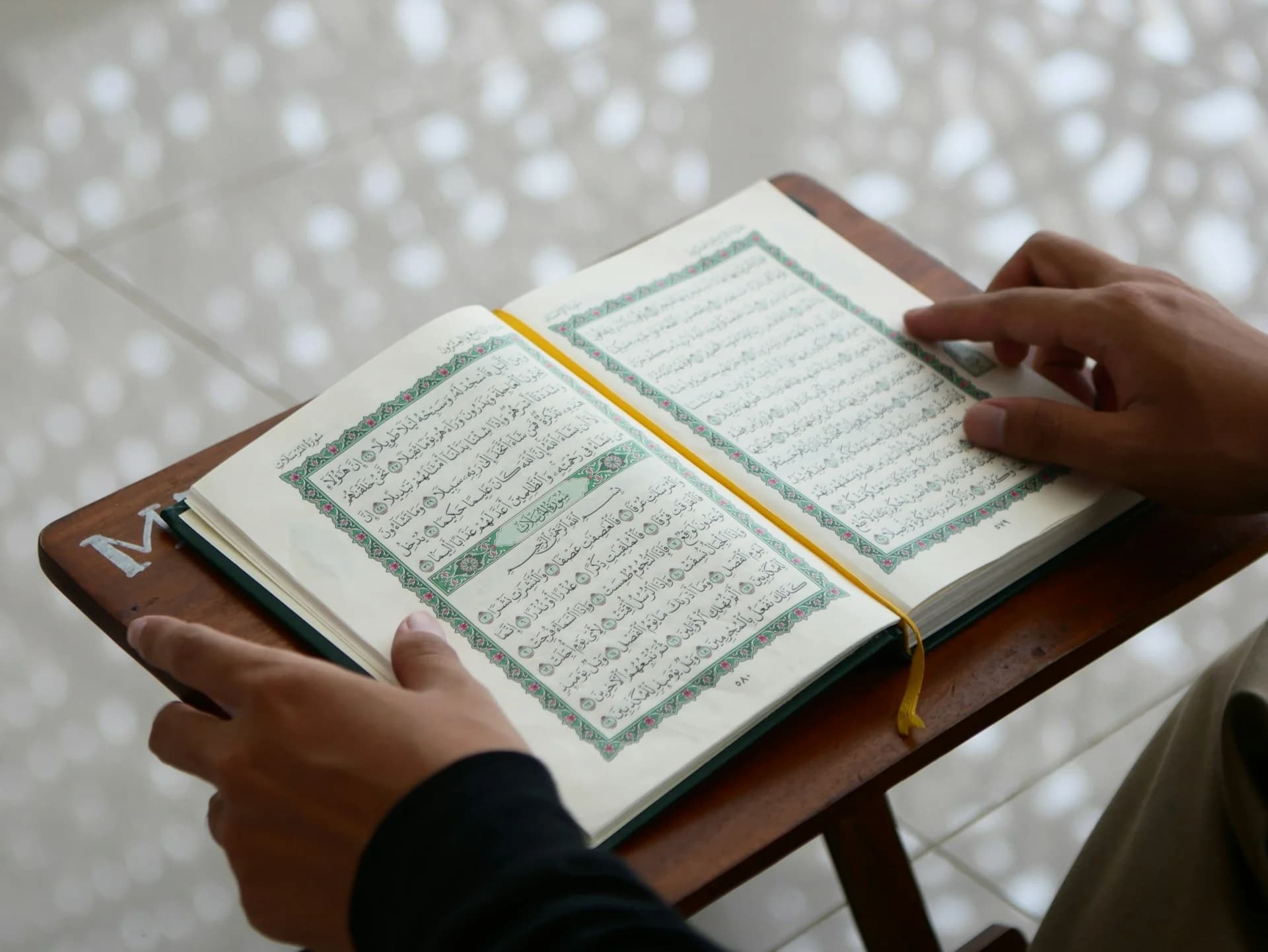
Explore the spiritual and personal benefits of reciting the Quran daily with authentic references from the Quran and Hadith in this complete guide.
Read article
What is Tawheed in Islam Meaning and Importance
Learn what Tawheed is in Islam its meaning types and importance in the life of a Muslim with references from the Quran and authentic Hadith.
Read article
Importance of Fasting in Ramadan Benefits and Rulings
Discover the importance of fasting in Ramadan its spiritual benefits and rulings with authentic references from the Quran and Hadith in this guide.
Read article