Types of Hajj Explained Ifrad Tamattu and Qiran
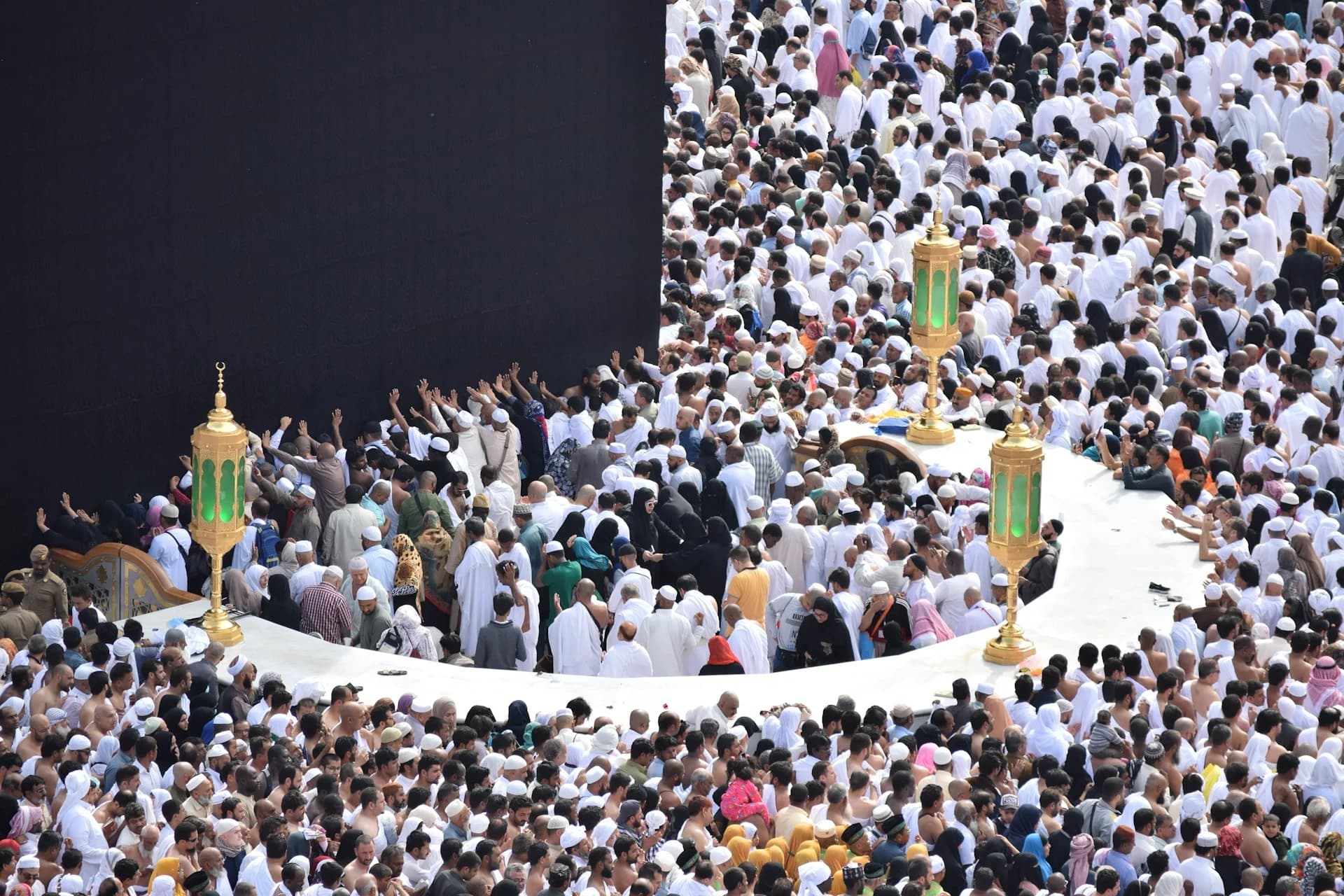
Hajj is a deeply structured act of worship, and Islamic scholars have identified three distinct types of Hajj that a pilgrim may choose to perform based on their circumstances and intention. These three types are known as Ifrad, Tamattu and Qiran. Each type has its own sequence of rituals, its own requirements regarding sacrifice and its own basis in the Sunnah of Prophet Muhammad peace be upon him. Understanding these types of Hajj is essential for anyone preparing for this sacred journey so that they can choose the form of Ihram that suits their situation.
Overview of the Three Types of Hajj
The classification of Hajj into three types comes primarily from the practice and guidance of the Prophet Muhammad peace be upon him as recorded in authentic Hadith collections. Aisha the wife of the Prophet peace be upon him narrated in a Hadith found in Sahih Bukhari that the pilgrims during the time of the Prophet entered the state of Ihram in different ways, some intending Hajj alone, some intending Umrah alone and some intending both together. This narration forms the foundation of the three recognized categories of Hajj practiced by Muslims today.
1. Hajj Ifrad
Hajj Ifrad refers to performing Hajj alone without combining it with Umrah in the same journey. A pilgrim who intends Ifrad enters the state of Ihram with the sole intention of Hajj and does not perform Umrah during that trip.
- The pilgrim declares intention for Hajj only at the Miqat
- No animal sacrifice is obligatory for this type unless a violation occurs
- The pilgrim remains in Ihram until the Hajj rituals are completed
- This type is often chosen by residents of Makkah or those performing Hajj on behalf of someone else
Since no Umrah is combined with the Hajj in this method the pilgrim does not need to offer a sacrificial animal known as Hady which is different from the other two types.
2. Hajj Tamattu
Hajj Tamattu is considered by many scholars as one of the more commonly practiced forms among pilgrims arriving from outside Makkah. In this type the pilgrim first performs Umrah during the months of Hajj and then exits the state of Ihram completely before entering Ihram again for Hajj itself.
- The pilgrim enters Ihram with the intention of Umrah only during the Hajj season
- After completing Umrah the pilgrim shaves or trims the hair and exits Ihram
- On the eighth day of Dhul Hijjah the pilgrim enters Ihram again with a fresh intention for Hajj
- A sacrificial animal is obligatory for this type as mentioned in the Quran
Allah mentions this type directly in Surah Al Baqarah stating that whoever enjoys the Umrah until the Hajj should offer whatever sacrifice is easy for him, and if he cannot find one then he should fast three days during Hajj and seven when he returns making ten days in total. This verse provides the direct Quranic basis for the obligation of sacrifice in Tamattu.
3. Hajj Qiran
Hajj Qiran involves combining Hajj and Umrah together under a single continuous state of Ihram. The pilgrim does not exit Ihram between the two acts of worship.
- The pilgrim declares intention for both Hajj and Umrah simultaneously at the Miqat
- Ihram is maintained continuously until all Hajj rituals are finished
- A sacrificial animal is obligatory similar to Tamattu
- This method was practiced by some companions of the Prophet peace be upon him as recorded in Hadith literature
In a Hadith narrated by Anas ibn Malik and collected in Sahih Bukhari it is mentioned that the Prophet peace be upon him and his companions raised their voices in Talbiyah for both Hajj and Umrah together which scholars use as evidence for the permissibility and virtue of Qiran.
Comparing the Three Types
While all three types fulfill the obligation of Hajj, they differ in sequence, sacrifice requirements and suitability depending on the pilgrim's location and circumstances. Tamattu and Qiran both require a sacrificial offering while Ifrad does not. Scholars across different schools of thought have discussed which type carries greater reward, though the general consensus is that any of the three fulfills the religious obligation validly when performed according to the correct rulings.
Choosing the Right Type of Hajj
The choice between Ifrad, Tamattu and Qiran often depends on factors such as the pilgrim's place of residence, the timing of their arrival in Makkah and their personal ability to manage the rituals and sacrifice. Pilgrims are strongly encouraged to consult knowledgeable scholars or trusted guides before deciding which type suits their situation, since incorrect execution can affect the validity of certain rituals.
Conclusion
The three types of Hajj namely Ifrad, Tamattu and Qiran each carry their own method rooted directly in the Sunnah of Prophet Muhammad peace be upon him and supported by clear guidance in the Quran. Understanding these differences allows every pilgrim to prepare correctly and perform this sacred pillar of Islam with confidence and sincerity. For a broader understanding of Hajj as a whole you can read our complete guide on what Hajj is in Islam and also explore the essential difference between Hajj and Umrah. To deepen your Quranic knowledge before your pilgrimage, visit our online Quran courses at Qanadeel.
Continue reading

Benefits of Reciting Quran Daily in Islam
Explore the spiritual and personal benefits of reciting the Quran daily with authentic references from the Quran and Hadith in this complete guide.
Read article
What is Tawheed in Islam Meaning and Importance
Learn what Tawheed is in Islam its meaning types and importance in the life of a Muslim with references from the Quran and authentic Hadith.
Read article
Importance of Fasting in Ramadan Benefits and Rulings
Discover the importance of fasting in Ramadan its spiritual benefits and rulings with authentic references from the Quran and Hadith in this guide.
Read article