Noorani Qaida Guide: How to Learn Quran Reading for Beginners
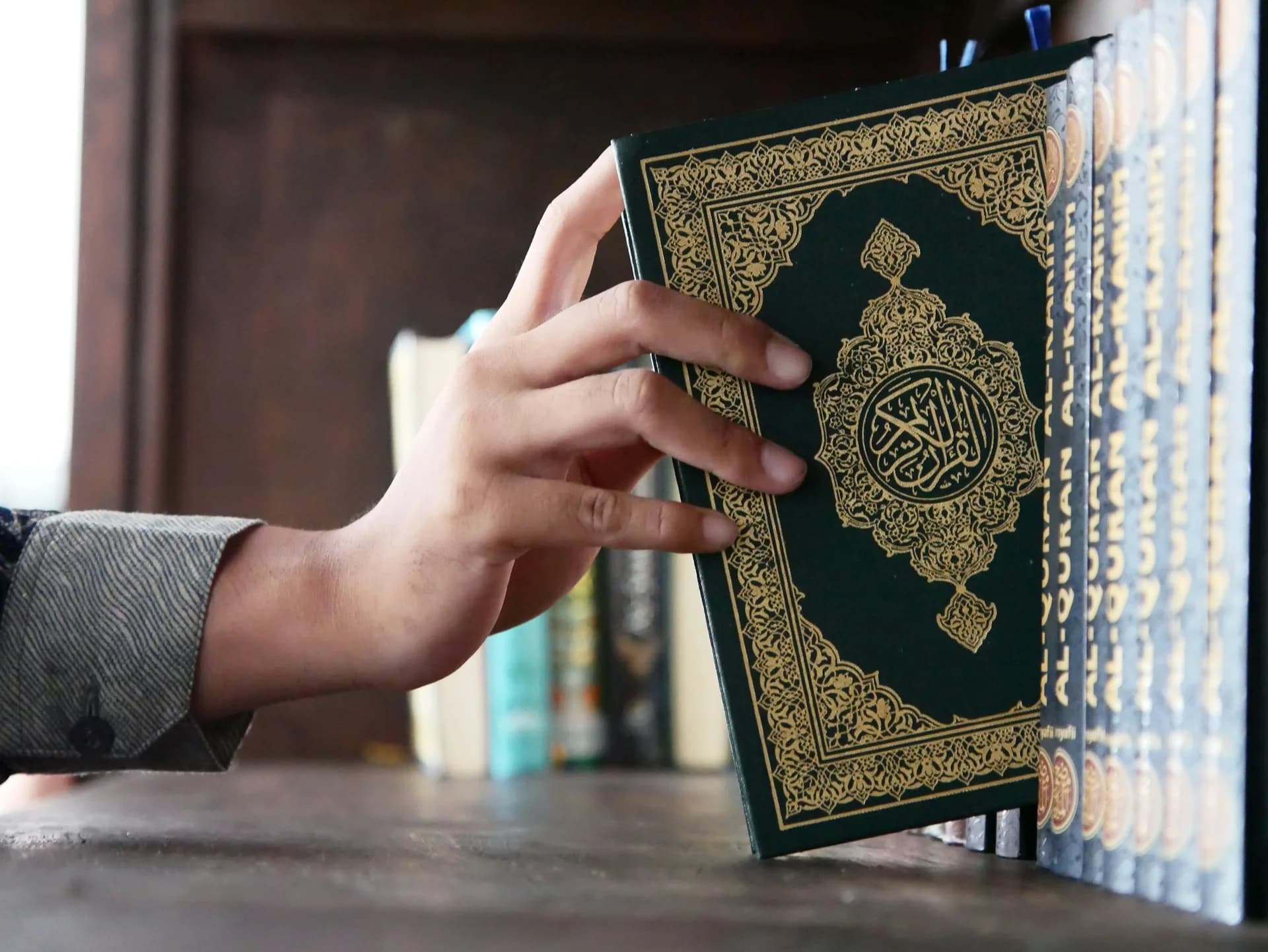
Before any Muslim child or adult can recite the Quran fluently, there is one essential foundation that must be built first, and that is the Noorani Qaida. This small booklet has trained millions of Quran reciters around the world for generations, and it remains the standard starting point for anyone learning Arabic reading for the first time.
What Is Noorani Qaida?
Noorani Qaida is a beginner level Arabic reading primer designed specifically to prepare students for Quran recitation. It was compiled to simplify the process of learning Arabic letters, their sounds, and their combinations in a structured, progressive way. Rather than jumping directly into Quranic verses, students first master isolated letters, then joined letters, then basic Tajweed rules, before finally moving to actual Quran text.
The word Noorani comes from "Noor," meaning light, symbolizing how this method illuminates the path to correct Quran reading. Almost every traditional Quran academy, including online platforms, uses some version of this Qaida as the first course for new students.
Why Qaida Comes Before Quran
Many parents ask why their child cannot start reciting the Quran directly. The answer lies in how Arabic script works. Quran text does not always show every vowel mark clearly in the way a beginner needs, and Arabic letters change shape depending on their position in a word. Without first mastering these shapes and their pronunciation, a student risks mispronouncing verses, which can change the meaning of the words being recited.
The Qaida solves this by isolating each concept. It teaches letter recognition first, then pronunciation, then joining rules, and only after all of this is solid does a student move to the Quran itself, usually starting with short Surahs.
Structure of the Noorani Qaida
Individual Arabic Letters
The first lessons focus purely on the 29 Arabic letters, teaching students their names, shapes, and correct pronunciation points, known as Makharij. Getting this right from the start prevents bad habits that are hard to correct later.
Letters with Harakat (Vowel Signs)
Once letters are recognized, the Qaida introduces short vowel marks, Fatha, Kasra, and Damma, teaching students how a single letter changes sound depending on the mark above or below it.
Joined and Combined Letters
Arabic letters connect differently depending on their position in a word. This section trains students to recognize letters in their initial, medial, and final forms, which is often the most challenging stage for beginners.
Tanween, Sukoon, and Tashdeed
These are essential Tajweed symbols that affect pronunciation length and emphasis. Understanding them correctly at this stage builds the foundation needed for proper Tajweed application later on.
Rules of Madd (Elongation)
Towards the end of the Qaida, students learn the basic rules of elongating certain letter sounds, which is a core part of correct Quran recitation and prepares them for more advanced Tajweed study.
How Long Does It Take to Complete Qaida?
The timeline varies depending on the age of the student, consistency of practice, and quality of teaching. On average, children attending regular one on one classes can complete the Qaida within two to four months. Adults often move faster if they dedicate consistent daily practice, sometimes finishing within six to eight weeks.
Rushing through the Qaida is discouraged. A student who moves to the Quran without solid letter recognition and pronunciation usually struggles later, so patience during this stage pays off significantly.
Tips for Learning Qaida Effectively
- Practice daily, even if only for fifteen minutes, rather than long irregular sessions.
- Focus on correct Makharij from day one rather than speed.
- Repeat each lesson with a qualified teacher who can correct mistakes in real time.
- Use listening practice alongside reading to train the ear for correct sounds.
- Revise previous lessons regularly instead of only moving forward.
Qaida as the Foundation for Hifz and Nazra
Once a student completes the Qaida with confidence, they typically move into either Nazra, which is reading the Quran with correct Tajweed without memorization, or begin preparing for Hifz, the memorization of the Quran. Both paths depend heavily on how well the Qaida foundation was built. A weak Qaida foundation often shows up later as recurring pronunciation mistakes during Hifz revision.
This is why choosing a structured, teacher guided Qaida course matters more than rushing through a self study app or video series. A qualified teacher can catch pronunciation errors that a student would never notice on their own.
Common Mistakes Beginners Make
One frequent mistake is memorizing the shape of a letter without truly understanding its sound, leading to guesswork later when letters combine differently. Another common issue is skipping revision, which causes earlier lessons to be forgotten by the time a student reaches advanced pages. Learning without a teacher's correction is also risky, since self taught pronunciation errors tend to become permanent habits that are difficult to unlearn.
Conclusion
The Noorani Qaida is far more than a beginner's booklet. It is the structural foundation upon which correct Quran recitation is built. Investing proper time and attention in mastering it, ideally under the guidance of a qualified teacher, sets a student up for success in both Nazra and Hifz, and ultimately for a lifetime of accurate, confident Quran recitation.
Continue reading
Benefits of Reciting Quran Daily in Islam
Explore the spiritual and personal benefits of reciting the Quran daily with authentic references from the Quran and Hadith in this complete guide.
Read article
What is Tawheed in Islam Meaning and Importance
Learn what Tawheed is in Islam its meaning types and importance in the life of a Muslim with references from the Quran and authentic Hadith.
Read article
Importance of Fasting in Ramadan Benefits and Rulings
Discover the importance of fasting in Ramadan its spiritual benefits and rulings with authentic references from the Quran and Hadith in this guide.
Read article