Benefits of Dua in Islam: Why Daily Supplication Matters
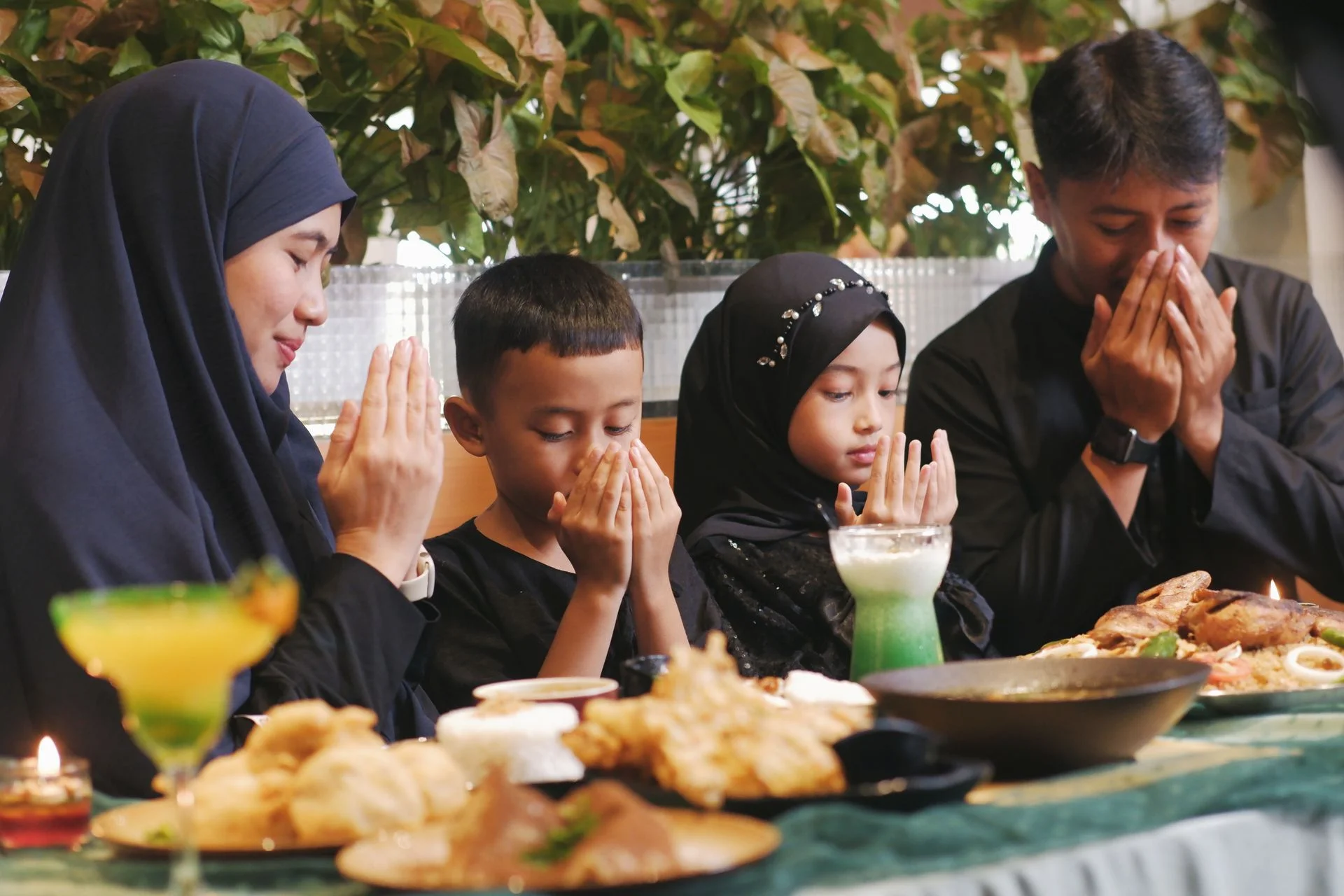
Dua is the essence of worship in Islam. It is the humble act of calling upon Allah, expressing gratitude, seeking forgiveness, and asking for help in every matter of life. Unlike other acts of worship that require specific conditions, Dua can be made anytime and anywhere, making it one of the easiest yet most powerful tools available to a believer.
What is Dua?
Dua literally means to call or to invoke. In Islamic terms, it refers to supplicating to Allah with sincerity, whether for worldly needs or spiritual guidance. The Prophet Muhammad, peace be upon him, described Dua as the essence of worship, showing just how central it is to a believer's daily life. Just as Salah is the pillar of worship, Dua is its companion, and you can read more about this connection in our article on the importance of Salah in daily life.
Why Dua Matters
A Direct Line to Allah
There is no intermediary needed between a servant and Allah when making Dua. A person can speak to his Creator in his own language, in his own words, expressing whatever is in his heart. This closeness builds a personal and meaningful relationship with Allah.
A Source of Comfort
During difficult times, Dua provides emotional relief. Sharing worries and burdens with Allah lightens the heart and reduces anxiety. Many people find that simply speaking out their problems in supplication brings a sense of calm even before the outcome is known.
Strengthening Faith
Regularly making Dua reminds a person that Allah is always listening and always in control. This constant awareness strengthens trust in Allah's plan and helps a believer accept both hardship and ease with patience.
The Etiquette of Making Dua
Sincerity of Heart
Dua should be made with full sincerity and hope, believing that Allah is capable of answering every request, no matter how big or small.
Praising Allah First
It is recommended to begin Dua by praising Allah and sending blessings upon the Prophet Muhammad, peace be upon him, before making personal requests. Calling upon Allah by His beautiful names adds even more power to this practice, and you can explore each name with meaning on our Ninety Nine Names of Allah page.
Choosing the Right Time
Certain times are considered especially blessed for Dua, such as the last part of the night, between the call to prayer and the start of Salah, and while fasting. Making Dua during these moments increases the chances of it being accepted.
Dua for Different Aspects of Life
Islam encourages Muslims to make Dua for everything, whether it is guidance in decisions, healing from illness, success in studies, or protection for family members. There is no matter too small to bring before Allah, and this teaches believers that Allah cares about every detail of their lives. Students learning to recite the Quran often combine their study sessions with short Duas for ease in memorization, a practice widely encouraged in our Hifz and Nazra courses.
Common Misconceptions About Dua
Some people believe that if their Dua is not answered immediately, it means Allah has ignored them. In reality, Allah answers Dua in three ways: granting the request, delaying it for a better time, or replacing it with something more beneficial. Understanding this helps a believer stay consistent and patient.
Making Dua a Daily Habit
Setting aside a few minutes after each prayer for Dua, keeping a small list of personal requests, and reflecting on blessings received can help turn Dua into a regular habit rather than something only done during hardship. Pairing this habit with regular Tasbih and remembrance, easily tracked through our Tasbih Counter, helps build consistency in daily worship.
Dua and Gratitude
An often overlooked aspect of Dua is expressing gratitude rather than only asking for things. Thanking Allah for health, family, guidance, and countless unseen blessings before making requests builds humility and deepens the connection formed during supplication. This mindset also naturally extends into other acts of worship, including financial giving, which believers can plan through tools such as our Zakat Calculator.
Conclusion
Dua is a gift that allows every believer to remain connected to Allah at all times. It brings comfort during hardship, strengthens faith, and reminds a person that they are never alone. Making Dua a consistent part of daily life can transform not just a person's spiritual state but also bring peace and confidence in facing everyday challenges. To build a stronger daily worship routine, explore our full range of Quran and Islamic studies courses.
Continue reading
Benefits of Reciting Quran Daily in Islam
Explore the spiritual and personal benefits of reciting the Quran daily with authentic references from the Quran and Hadith in this complete guide.
Read article
What is Tawheed in Islam Meaning and Importance
Learn what Tawheed is in Islam its meaning types and importance in the life of a Muslim with references from the Quran and authentic Hadith.
Read article
Importance of Fasting in Ramadan Benefits and Rulings
Discover the importance of fasting in Ramadan its spiritual benefits and rulings with authentic references from the Quran and Hadith in this guide.
Read article